 November 25, 2026 | News
✍🏽 Don Olive
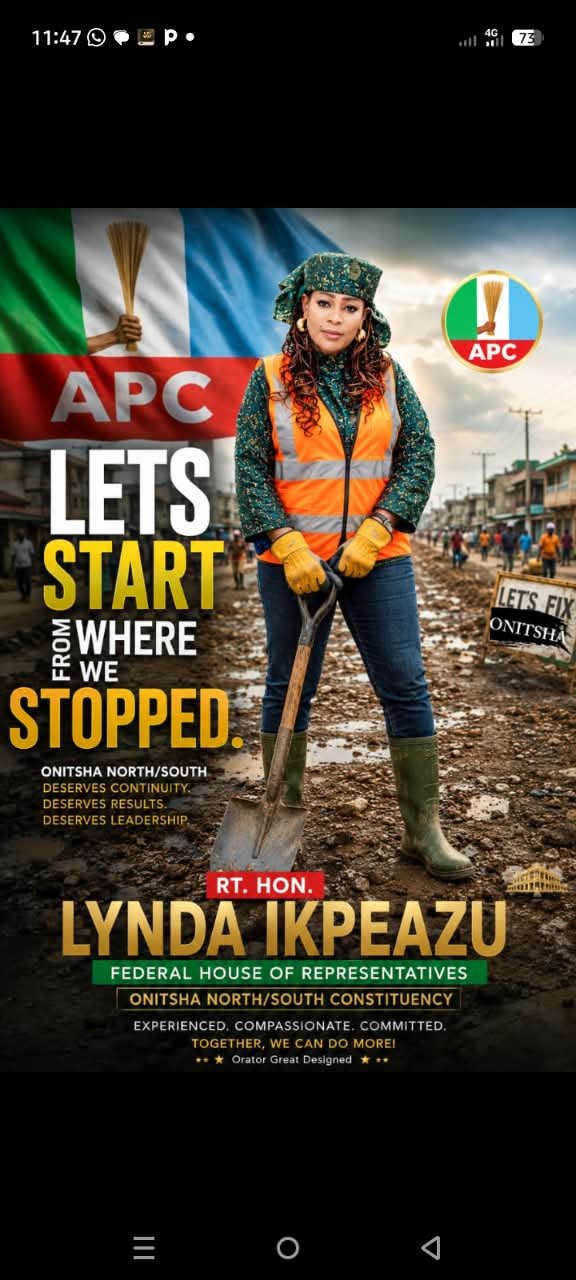
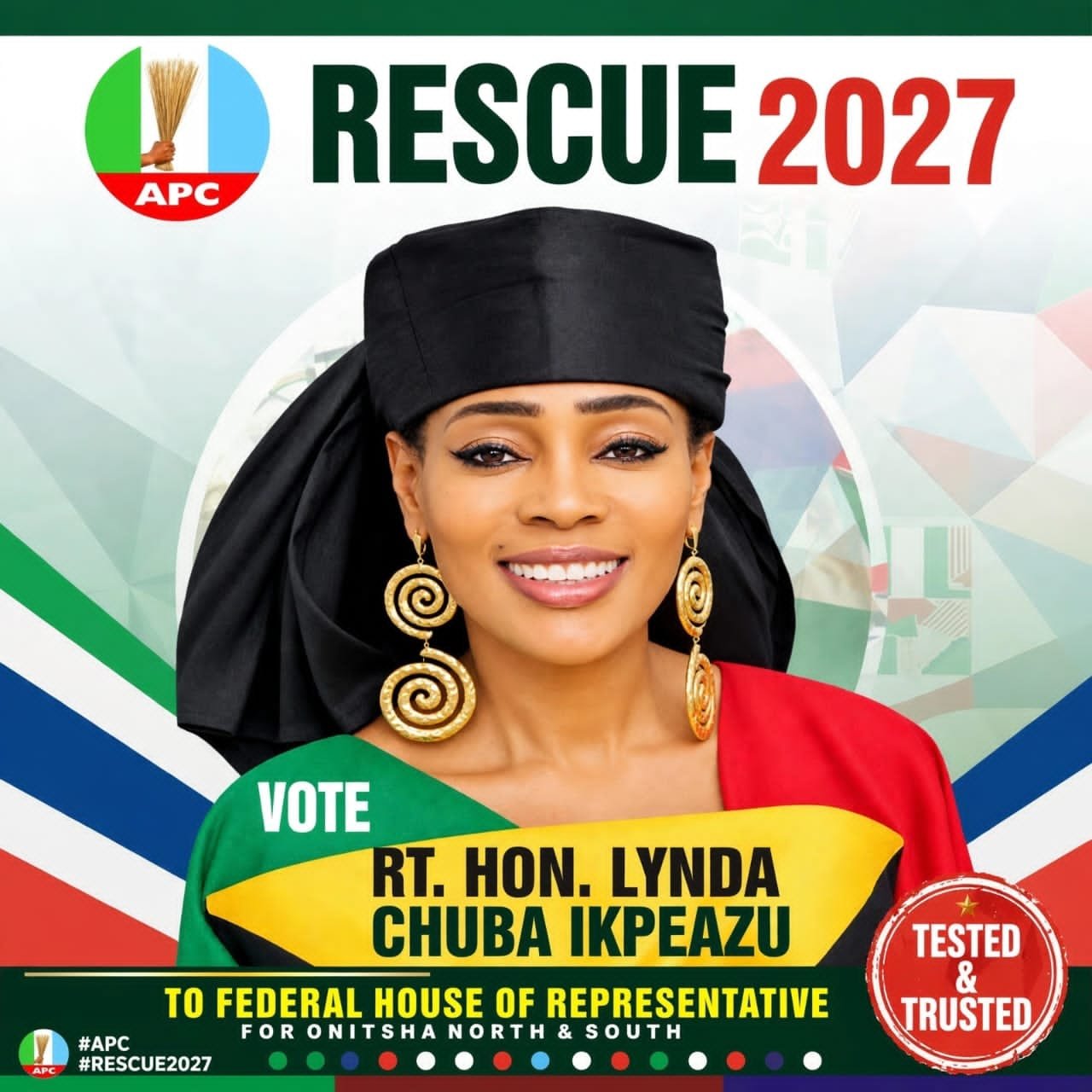
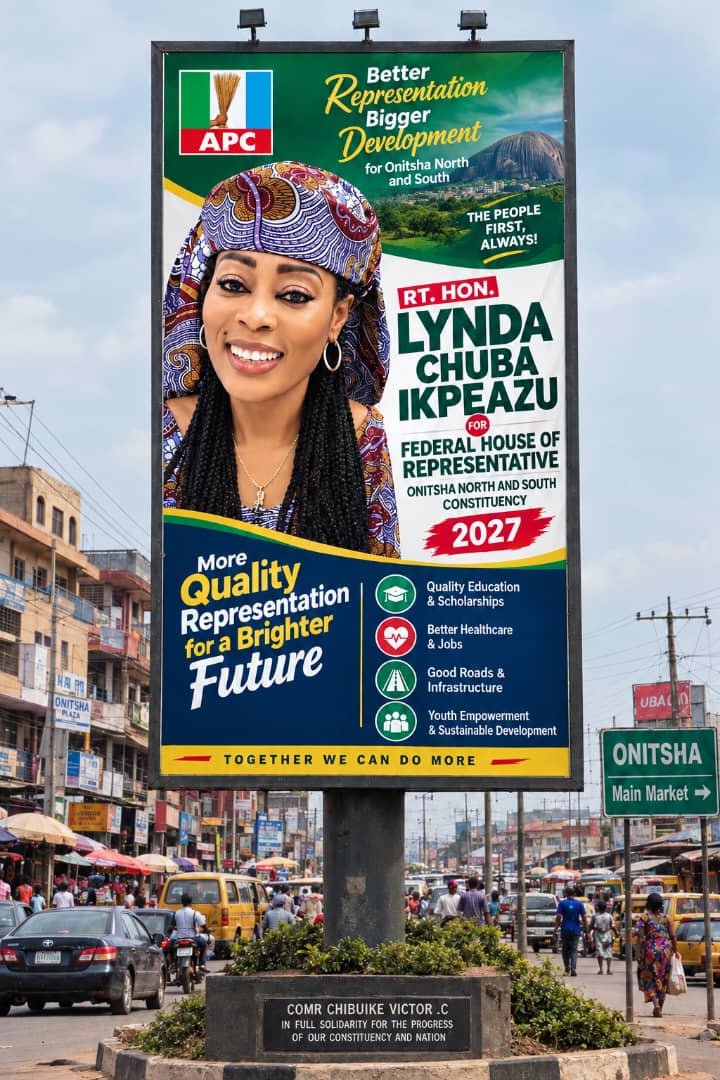
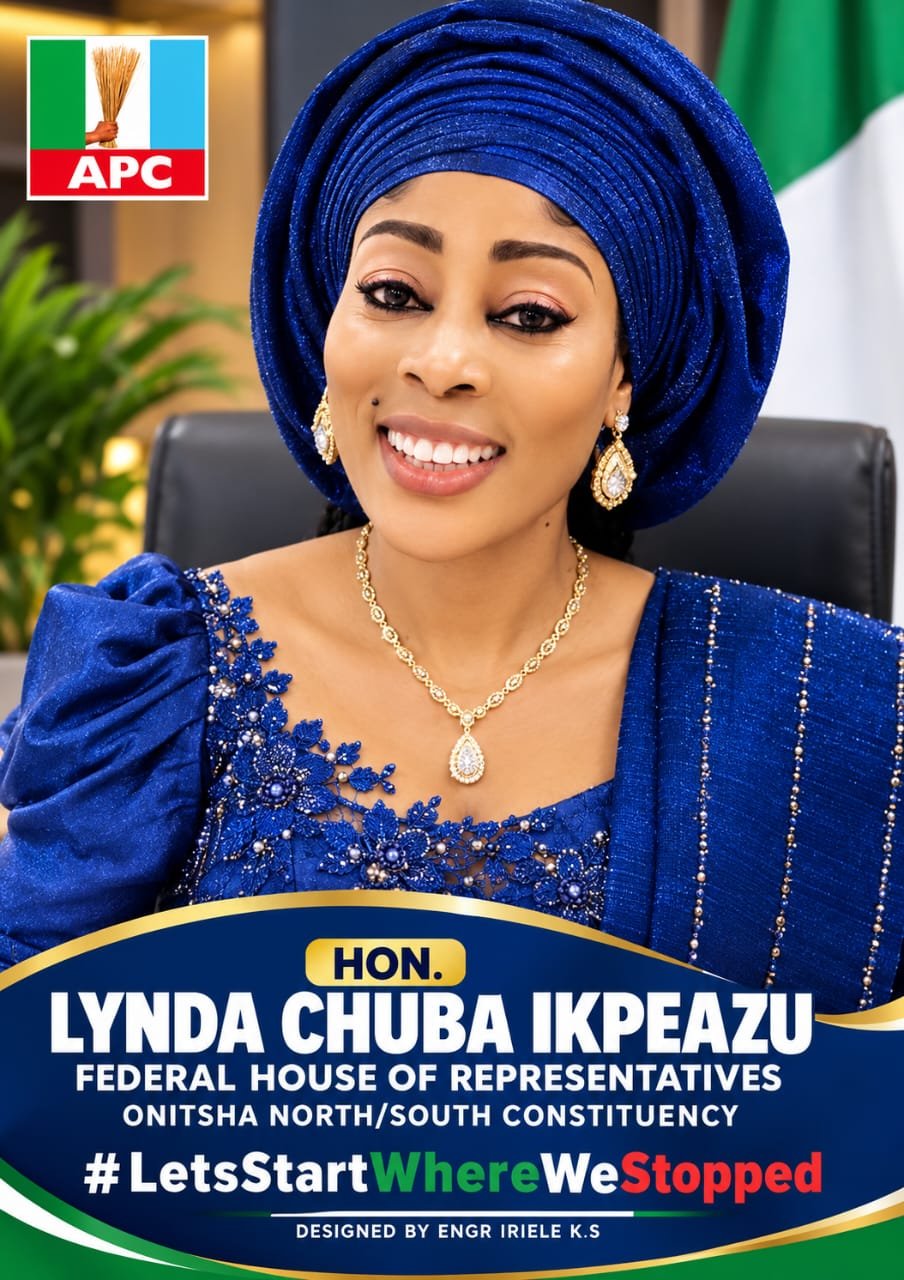
In a political climate where campaigns often flare up only when ballots are near, Rt Hon Lynda Chuba-Ikpeazu of the All Progressives Congress is offering a different model of leadership. One built not around four-year cycles, but around everyday contact with the people she seeks to serve.
Here is what sets her apart from the field:
1. Grassroots mobilization as a constant, not a campaign tactic
While many candidates appear in communities during rallies and disappear after voting day, Lynda has kept grassroots mobilization at the center of her work. Her approach starts at the ward level: town halls, market associations, youth groups, and women's cooperatives. The goal is not just to gather support, but to listen.
That distinction matters. Other candidates tend to treat mobilization as turnout machinery. Lynda frames it as the foundation of governance itself. By staying present between elections, she argues that citizens learn the process, and leaders learn the problems.
2. Peaceful democratic participation over politics of tension
Across constituencies, elections are too often reduced to rivalry, rhetoric, and in some cases intimidation. Lynda’s record pushes back on that pattern. She has consistently emphasized peaceful democratic participation: voter education, non-violent engagement, and respect for opposing views within APC and across party lines.
Where some campaigns lean into division to stand out, her message is that democracy works only when people feel safe to participate. That focus on peace is not passive. It includes training party agents, engaging traditional rulers as neutral conveners, and discouraging politics that pits communities against each other.
3. Constituency development, not just constituency promises
A common campaign pitch is a long list of projects promised if elected. Lynda reframes the conversation around sustained constituency development. For her, development is measured by continuity: skills programs that run beyond election year, support for SMEs that does not end with a photo op, and infrastructure advocacy that follows due process.
This is where the contrast with "periodic contest" politics is sharpest. Other candidates often present development as what they will do once in office. Lynda argues that development starts with engagement now, and that a representative’s job is to bridge citizens and government institutions year-round.
4. Sustained engagement between citizens and leadership
Perhaps the clearest differentiator is her view of what an election actually is. Rather than viewing elections merely as periodic contests, Lynda advocates sustained engagement between citizens and political leadership.
In practice, that means:
- Regular feedback loops: community meetings that are not tied to campaign calendars
- Access: channels for constituents to track representation, ask questions, and propose solutions
- Ownership: treating voters as partners in governance, not just as voters on election day
Other candidates campaign on charisma or party machinery. Lynda is campaigning on a relationship. The pitch is simple: if leadership only shows up to ask for votes, accountability will always be late. If leadership shows up to work with people, results can start earlier.
Why it matters for APC and the constituency
APC has positioned itself nationally around progressive governance and inclusion. Lynda’s model aligns with that by grounding it locally. Grassroots mobilization grows the party base. Peaceful participation protects the democratic space. Constituency development delivers tangible outcomes. Sustained engagement builds trust that outlasts any single election cycle.
Voters ultimately choose between styles. One style treats politics as an event. The other treats it as a practice.
Rt Hon Lynda Chuba-Ikpeazu is making the case for the second one.
Mmadu Ka Ana Atu
Ochili Nma Ga Achi Ozo
Oliver Okeke [Don Olive]
APC Member since 2014